The Ultimate Guide to Garment Mfg: How to Choose the Right Stretch for Your Designs
Whether you are a fashion designer launching a clothing line, a DIY enthusiast sewing your own wardrobe, or a production manager sourcing materials, choosing the right Variety is the secret to perfect fit and durability.
The wrong Trim can ruin an otherwise flawless garment—causing it to sag, pinch, or wear out after just a few washes.
Here is everything you need to know to select the perfect stretch for your next project.
The Big Three: Types of Garment Elastic Varities
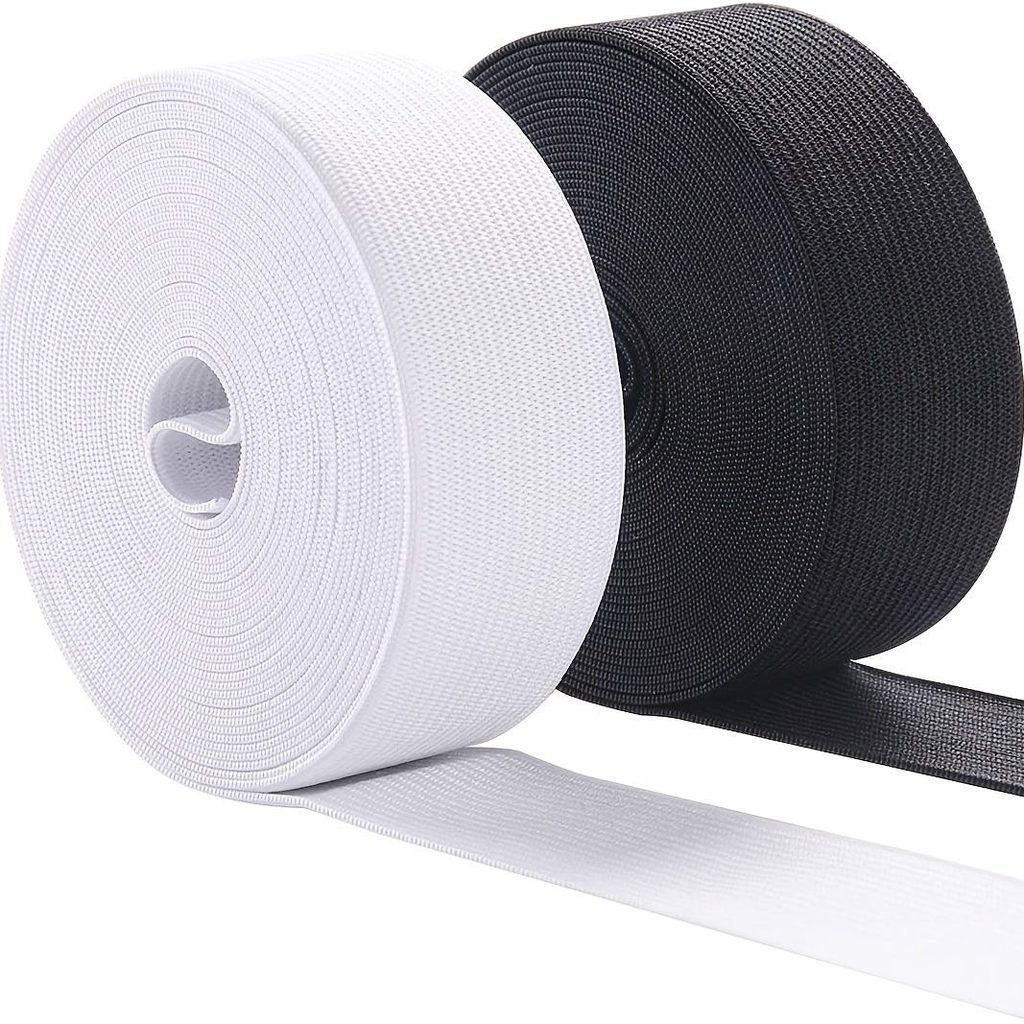
Most garment elastics look similar at a glance, but they are manufactured differently to serve specific purposes.
1. Braided Elastic
- How it feels: Lightweight and tends to narrow (roll) when stretched.
- Best used for: Casings only. Because it loses its stretch when pierced by a needle, you should never sew directly through braided elastic.
- Ideal garments: Necklines, sleeve cuffs, and waistbands where the elastic moves freely inside a fabric tunnel.
2. Knit Elastic
- How it feels: This item feel Soft, flexible, and retains its width when stretched.
- Best used for: Direct sewing or light-to-midweight fabrics. It is needle-friendly, meaning you can stitch directly through it without destroying the rubber/spandex loops inside.
- Ideal garments Varieties : used in Loungewear, children’s clothing, pajamas, and lightweight skirts.
3. Woven Elastic
- How it feels: Heavy-duty, firm, and highly resilient. It never narrows when stretched.
- Best used for: Heavyweight fabrics and high-stress areas. Woven Type offers maximum structural support and holds its shape exceptionally well over time.
- Ideal garments: Denim waistbands, outerwear, uniforms, sportswear, and home textiles.
Specialty Elastics Every Designer Should Know
Beyond the core three, specialized garments require unique performance features:
- Buttonhole type: Features evenly spaced slits down the center. Essential for adjustable waistbands in children’s wear and maternity clothing.
- Fold-Over (FOE): Designed with a built-in crease down the middle to easily bind raw fabric edges. Perfect for underwear, swimwear, and athletic apparel.
- Clear Variety : Thin, transparent, and highly stretchy. Used to stabilize seams (like shoulder seams in knit t-shirts) without adding bulk.
- Plush/Underwire Type: Features a soft, brushed texture on one side. Sourced specifically for lingerie and brassieres to prevent skin irritation.
Key Factors for Sourcing the Right Product
When choosing the Right Product for your production line or project, keep these three checkboxes in mind:
- Fiber Content: Look for a blend of high-quality polyester or nylon with spandex (Lycra) or natural rubber. Nylon offers a softer feel, while polyester provides better UV and chlorine resistance.
- Stretch Percentage: Always test the “modulus” (the resistance/kickback power). Activewear requires a high-recovery variety that won’t sag during movement, while loungewear benefits from a softer, gentler stretch.
- Shrinkage: Standard item can shrink slightly when exposed to high heat. Always wash or steam your trim before manufacturing, or source pre-shrunk varieties for commercial production.
Final Thoughts
The right Product transforms a good garment into a great one. By matching the weight of your fabric to the strength and construction of your Product, you ensure comfort, structure, and longevity for the wearer.
Lot of varieties are available in this Category, For Boxers knitted , is used for Lingerie wear Soft Brushed is used, for Panties micro Type is used for Soft Feel, for Active Wear Jacquard variety is used, For kids Button hole variety is used to tigh and loosen Garments as kids size keeps on growing up, Each and every garments have different purpose and different size and variety is used depending on Garment look and wear, one of the important type of Variety is Woven Type generally used in men’s wear, it is hard in nature and have tight effects to use for mens garments.