
What Is Twill Tape? Types, Sizes, Uses, and Benefits
Twill tape is a versatile textile trimming used in the garment, apparel, textile, bag manufacturing, labeling, and packaging industries. Known for its flexibility, woven construction, and attractive finish, twill tape is widely used for reinforcing seams, binding fabric edges, making labels, and adding decorative details to finished products.
Available in different materials, colours, widths, and finishes, twill tape can be customized to meet the requirements of different industries. Cotton twill tape is often selected for its natural feel and soft texture, while polyester and blended varieties can be suitable for applications requiring different levels of strength, durability, and performance.
Whether you are a garment manufacturer, fashion brand, textile buyer, label printer, or packaging company, understanding twill tape can help you select the right material for your application.
In this guide, we will explain what twill tape is, how it is manufactured, the different types available, its standard sizes, major applications, and the factors to consider when choosing a reliable twill tape manufacturer.
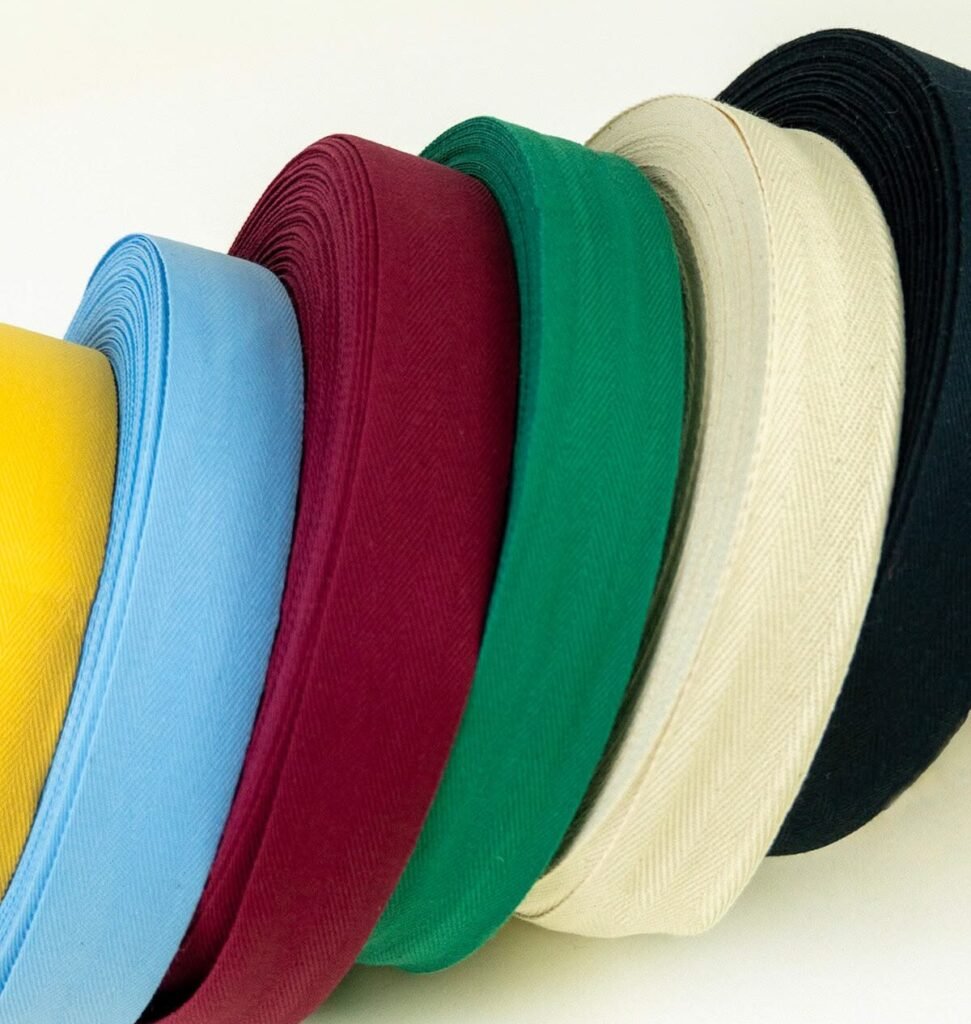
What Is Twill Tape?
Twill tape is a narrow, flat, woven textile tape manufactured using yarns on specialized weaving equipment, including suitable needle looms. It is commonly used in garments, accessories, textile products, and packaging applications.
The term “twill” refers to a weaving structure in which the interlacing of yarns creates a characteristic diagonal pattern. Depending on the construction, the tape may have a subtle diagonal texture, a smooth appearance, or a distinct woven finish.
Twill tape is generally flexible, lightweight, and easy to handle. Its appearance and performance depend on several factors, including the raw material, yarn quality, weaving structure, tape width, density, and finishing process.
Twill tape can be manufactured in natural shades, dyed colours, and, where suitable, customized finishes according to customer requirements.
For manufacturers, twill tape is more than a simple textile accessory. It can improve garment construction, help produce neat edges, provide a surface for printed identification, and enhance the presentation of finished products.
How Is Twill Tape Manufactured?
Twill tape manufacturing involves selecting suitable yarns, weaving the tape to the required specifications, and carrying out the necessary finishing and quality checks.
The exact manufacturing process varies according to the material, construction, machinery, and end-use requirements.
1. Selection of Raw Materials
The first step is choosing the appropriate yarn. Cotton, polyester, and cotton-polyester blends are common options, depending on the desired softness, strength, appearance, and intended application.
The yarn selection influences the final tape’s texture, colour absorption, durability, and suitability for further processing, such as printing or dyeing.
2. Yarn Preparation
The selected yarns are prepared for weaving. Depending on the production setup, this may involve winding, arranging the warp yarns, and preparing the yarns for feeding into the loom.
Proper preparation helps achieve consistent weaving and the required tape width and construction.
3. Weaving on Needle Looms
The prepared yarns are woven on suitable weaving machinery, such as needle looms, to produce a continuous narrow fabric.
The arrangement and interlacing of yarns create the required woven structure. For twill tape, the weave construction contributes to its characteristic appearance and handling properties.
Machine settings, yarn tension, and weaving specifications influence the uniformity and quality of the finished tape.
4. Dyeing and Colouring
Depending on the customer’s requirements, twill tape may be supplied in its natural colour or produced in different shades.
Coloured tape is selected according to the intended application, garment design, brand identity, or packaging requirements. Colour consistency is particularly important for businesses that require repeated orders or matching textile accessories.
5. Finishing and Inspection
After weaving and any required colouring or finishing, the tape is checked for relevant quality parameters.
These may include width, appearance, colour consistency, weaving defects, texture, and overall uniformity. Additional checks may be necessary for specialized applications.
6. Cutting, Rolling, and Packing
The finished twill tape can be supplied in rolls or processed into specified lengths and pieces where the production arrangement permits.
Packaging and supply formats can be agreed upon with the manufacturer according to the buyer’s handling, storage, and production requirements.
What Are the Different Types of Twill Tape?
Twill tape is available in different materials and specifications. The right choice depends on the intended use, the required appearance, and the performance expected from the tape.
1. 100% Cotton Twill Tape
Cotton twill tape is manufactured using cotton yarns and is widely used in garments, textiles, crafts, and packaging.
Cotton is valued for its natural fibre composition, soft feel, and familiar textile appearance. It can be a suitable choice for products where comfort, a natural look, or compatibility with cotton fabrics is important.
Key characteristics of cotton twill tape:
- Soft and comfortable to handle.
- Available in natural shades and dyed colours, subject to manufacturing capabilities.
- Suitable for many garment and textile applications.
- Offers a natural fibre option for labels, craft projects, and decorative uses.
- Can be selected for applications where a cotton-based material is preferred.
Common applications: Garment seams, neck and shoulder reinforcement, fabric binding, labels, crafts, gift wrapping, and decorative textile products.
When selecting cotton twill tape, buyers should consider the required width, yarn quality, colourfastness, shrinkage, and the care conditions of the finished product.
2. Polyester Twill Tape
Polyester twill tape is manufactured using polyester yarns. It can be suitable for applications that require a synthetic textile material with useful strength and dimensional stability.
Its performance depends on the yarn quality, weave construction, tape density, and finishing specifications.
Key characteristics of polyester twill tape:
- Suitable for a variety of textile and industrial applications.
- Available in different colours and widths, depending on the supplier.
- Can provide good dimensional stability when appropriately manufactured.
- Useful for applications requiring consistent appearance and repeatable specifications.
- Can be considered for products exposed to frequent handling.
Common applications: Garment accessories, bags, textile products, labels, and other applications where polyester tape meets the product requirements.
For demanding applications, buyers should verify tensile strength, abrasion resistance, heat exposure limits, and other relevant specifications rather than assuming that every polyester tape has the same performance.
3. Cotton-Polyester Blended Twill Tape
Blended twill tape combines cotton and polyester yarns in a specified composition. It is an option for buyers looking for a balance of properties associated with both fibres.
The final characteristics depend on the blend ratio, yarn arrangement, weaving structure, and finishing.
Key characteristics of blended twill tape:
- Combines natural and synthetic fibres.
- Can be developed for different softness and strength requirements.
- Offers flexibility in product specifications.
- May be suitable for applications where a specific combination of appearance and performance is needed.
Common applications: Garment construction, textile accessories, labels, bags, and selected binding applications.
Before placing a bulk order, confirm the fibre composition and ensure that the material meets the requirements of the intended product.
4. Natural Colour Twill Tape
Natural-colour twill tape is supplied without the conventional dyed appearance of coloured tape, although the precise shade depends on the raw material and processing.
It is often considered for craft products, eco-conscious product designs, natural-looking packaging, and applications where an undyed or neutral appearance is preferred.
Buyers should distinguish between a natural-looking tape and a certified organic or environmentally certified product. Such claims require appropriate evidence.
5. Coloured Twill Tape
Coloured twill tape is produced in different shades to match garment fabrics, product designs, brand colours, or packaging themes.
It can help manufacturers maintain a consistent appearance across finished products and textile accessories.
For large orders, buyers should communicate the desired colour reference, quantity, material, and tolerance for colour variation. Approval of a production sample can help reduce mismatches.
6. Printed Twill Tape
Printed twill tape is used when a design, brand name, text, or other visual element needs to appear on the tape surface.
The suitability of a particular printing process depends on the material, weave, surface texture, print design, and intended use.
Printed tape can be useful for garment branding, product identification, decorative packaging, and customized craft products.
Before ordering, buyers should confirm print readability, repeat length, colour requirements, durability, and the tape’s compatibility with the intended printing method.
What Sizes of Twill Tape Are Available?
Twill tape can be manufactured in different widths to suit specific applications. Depending on the manufacturer’s equipment and production capabilities, widths may range from approximately 3 mm to 100 mm or beyond in specialized cases.
Commonly requested widths can include:
- 3 mm to 6 mm for narrow decorative details and selected small textile applications.
- 8 mm to 12 mm for lightweight garment accessories and labels.
- 15 mm to 25 mm for many garment construction and binding requirements.
- 30 mm to 50 mm for wider textile applications, craft projects, and selected packaging uses.
- 60 mm to 100 mm for wider binding, decorative, or customized applications.
These are illustrative width ranges, not universal industry standards. Actual availability depends on the manufacturing setup and the required construction.
In addition to width, buyers should specify the tape material, colour, thickness, weave structure, finish, roll length, and intended application.
If you require a non-standard width, discuss the specification with the manufacturer before finalizing your order. A sample can help confirm whether the tape meets your production requirements.
What Are the Main Uses of Twill Tape?
Twill tape is used across several industries because it combines a woven construction with flexibility and a range of available specifications.
1. Seam Reinforcement in Garments
One of the important applications of twill tape is supporting garment construction.
It can be used in shoulder seams, necklines, armholes, and other areas where additional stabilization or a neat internal finish is required.
In garments, certain seams may stretch, distort, or lose their shape during handling and wear. A suitable tape can help stabilize these areas when correctly selected and sewn into the construction.
Examples of garment applications include:
- Shoulder seam stabilization.
- Neckline and neck seam support.
- Armhole reinforcement.
- Selected internal finishing applications.
- Supporting the shape of certain garment sections.
The appropriate tape depends on the fabric weight, garment design, sewing method, and required flexibility. A tape that is too stiff or too heavy may not be suitable for lightweight fabrics.
2. Fabric Edge Binding and Finishing
Fabric edges can fray during cutting, sewing, handling, and use. Binding is one method of covering or finishing these edges to improve their appearance and, where appropriate, protect them from fraying.
Twill tape may be used in selected binding applications, depending on the required finish and the fabric construction.
Typical applications include:
- Jackets and selected apparel products.
- Bags and textile accessories.
- Interior textile products.
- Craft items.
- Selected fabric components requiring a finished edge.
The tape width and flexibility should suit the thickness and shape of the edge being covered.
It is also important to distinguish between twill tape and specialized bias binding tape. They are different constructions, and the correct choice depends on the required edge finish and whether the binding needs to stretch around curves.
3. Labels and Branding
Twill tape can serve as a base material for printed labels and customized identification strips.
Brands and manufacturers may print their name, product information, design elements, or other required details onto suitable tape.
After printing, the tape may be cut into pieces of the required dimensions for use in finished products.
Common applications include:
- Garment branding.
- Decorative brand labels.
- Product identification.
- Craft and textile labels.
- Customized labels for selected accessories.
The best tape for printing depends on the printing technology, artwork, level of detail, and durability requirements.
For example, small text and detailed logos may require a carefully selected surface and printing process. Always confirm the sample before approving bulk production.
4. Gift Wrapping and Packaging
Twill tape is also used in gift presentation, craft packaging, and stationery products.
Its woven texture provides an alternative to smooth ribbons or synthetic decorative strips. Depending on the material and colour, it can create a natural, simple, premium, or coordinated appearance.
Common applications include:
- Gift box decoration.
- Handmade packaging.
- Stationery and craft products.
- Decorative wrapping.
- Product presentation for retail brands.
- Custom packaging projects.
Businesses can select natural-colour tape, dyed tape, or printed tape according to the packaging design.
The appropriate tape width and finish depend on the box size, wrapping method, and desired appearance.
5. Bags and Accessories
Twill tape can be used in selected bag and accessory applications, including decorative detailing, internal finishing, and fabric reinforcement.
Its suitability depends on the load, construction, and expected wear.
For applications that carry significant weight, a standard decorative twill tape should not automatically be treated as a load-bearing strap. Buyers should request appropriate strength specifications and testing for structural uses.
6. Crafts and DIY Projects
Twill tape is popular in craft projects because it is available in different colours, widths, and materials.
It can be incorporated into handmade products, fabric decorations, sewing projects, scrapbooking, and other creative applications.
Its woven structure makes it useful for projects that require a textile-based strip rather than paper or plastic decoration.
7. Textile and Industrial Applications
Depending on the material and specifications, twill tape may be used in selected textile production and industrial applications where a narrow woven tape is required.
However, specialized applications may have specific requirements for tensile strength, heat resistance, chemical exposure, colourfastness, or dimensional stability.
Manufacturers and buyers should evaluate the required properties before selecting a tape for technical use.
What Are the Benefits of Twill Tape?
The advantages of twill tape depend on its material and construction, but several characteristics make it useful across different applications.
Flexibility
Twill tape can be flexible enough for sewing, garment finishing, decorative work, and many other textile applications.
The degree of flexibility depends on the yarns, weave, density, and finishing.
Aesthetic Appeal
Its woven texture can provide a clean and attractive appearance. Depending on the construction, the finish may appear matte, slightly lustrous, or more textured.
This makes twill tape useful for both functional and decorative purposes.
Multiple Material Options
Buyers can select cotton, polyester, or blended constructions according to their requirements.
This flexibility helps manufacturers match the tape to the intended application, fabric type, and product specifications.
Different Widths and Colours
Twill tape is available in a range of widths and colours, with customization possible according to manufacturing capabilities.
This allows businesses to coordinate the tape with garment fabrics, brand colours, packaging designs, or other product components.
Support for Garment Construction
When correctly selected and applied, twill tape can help stabilize specific garment seams and improve finishing.
It can also contribute to a more organized internal appearance.
Customization Potential
Businesses can discuss material, width, colour, finish, and supply format with the manufacturer.
For specialized projects, printed designs and other customization options may also be possible.
How to Choose the Right Twill Tape
Selecting the right twill tape is important for product quality, manufacturing efficiency, and customer satisfaction.
Before placing an order, consider the following factors.
1. Identify the Application
Start by determining where and how the tape will be used.
A tape intended for a garment neckline may require different properties from one used for packaging decoration, printed labels, or a heavy-duty textile component.
2. Select the Material
Choose cotton when a cotton-based material and natural textile feel are priorities. Consider polyester or a blend when the required application calls for particular performance characteristics.
The final decision should be based on actual specifications rather than material names alone.
3. Confirm the Width
Measure the required width carefully and communicate the tolerance if the application is sensitive to dimensional variation.
For labels, binding, and garment construction, an incorrect width may affect the finished appearance or production process.
4. Check Colour and Finish
Specify whether you need natural-colour, dyed, or printed tape.
For repeat orders or brand-sensitive applications, provide a physical reference or an agreed colour specification. Approve a sample where necessary.
5. Review Strength and Durability
If the tape will experience pulling, abrasion, frequent washing, or other demanding conditions, discuss the required performance with the supplier.
Depending on the application, relevant checks may include tensile strength, colourfastness, shrinkage, and abrasion resistance.
6. Confirm the Supply Format
Determine whether the tape should be supplied in rolls, specified lengths, or cut pieces.
The required format can affect handling, production planning, and packaging.
7. Request a Sample
A sample gives you an opportunity to check the actual material, width, texture, colour, and suitability for your process before placing a larger order.
This is particularly helpful when the tape must match an existing product or meet a specific production requirement.
Why Buy Twill Tape Directly from a Manufacturer?
For businesses purchasing textile accessories in bulk, working directly with a manufacturer can make it easier to discuss technical requirements and coordinate production.
Depending on the manufacturer’s capabilities, buyers may benefit from:
- Specification-based production: Discussing the required material, width, colour, and finish.
- Bulk order coordination: Planning quantities and repeat requirements.
- Customization options: Exploring suitable colours, widths, and printed designs.
- Sample evaluation: Checking the product before approving a larger order.
- Production communication: Discussing lead times, packaging, and delivery expectations.
- Application guidance: Identifying the relevant tape specifications for the intended use.
Before selecting a supplier, ask about manufacturing capabilities, quality control procedures, minimum order quantities, sample availability, and delivery timelines.
A reliable supplier should help clarify the specifications needed to produce a tape that suits your application.
Twill Tape Manufacturer for Custom Requirements
If your business requires twill tape for garment manufacturing, fabric binding, labels, bags, crafts, or packaging, choosing the correct specification is an important first step.
A manufacturer can help you evaluate suitable options based on the intended use and available production capabilities.
When enquiring about a custom order, share the following details:
- Required material: cotton, polyester, or a blend.
- Required width in millimetres.
- Preferred colour or colour reference.
- Natural, dyed, or printed finish.
- Estimated quantity.
- Intended application.
- Required roll length or cut-piece dimensions.
Providing these details helps the manufacturer understand your requirements and recommend a suitable product.
Looking for twill tape for your next production order? Contact a twill tape manufacturer to discuss your specifications, request a sample, and explore suitable options for your business.
Frequently Asked Questions About Twill Tape
1. What is twill tape made of?
Twill tape is generally made from woven yarns. Common material options include 100% cotton, polyester, and cotton-polyester blends. The available composition depends on the manufacturer.
2. What is twill tape used for?
Twill tape is used for garment seam stabilization, selected fabric binding applications, printed labels, decorative finishing, gift packaging, crafts, and certain textile accessories.
3. What is the difference between cotton and polyester twill tape?
Cotton twill tape is valued for its natural fibre composition and soft textile feel. Polyester twill tape is a synthetic option that may be suitable for applications requiring particular strength or dimensional stability. Actual performance depends on the construction and specifications of each product.
4. What widths are available in twill tape?
Depending on the manufacturing setup, twill tape may be available in widths ranging from approximately 3 mm to 100 mm or more for specialized requirements. Buyers should confirm the required width and availability with the manufacturer.
5. Is twill tape available in different colours?
Yes. Twill tape can be available in natural shades and a variety of dyed colours. Custom colours may be possible depending on the supplier’s capabilities, order quantity, and production requirements.
6. Can twill tape be printed?
Suitable twill tapes can be printed with brand names, logos, text, or designs. The choice of material and printing process depends on the required detail, appearance, and durability.
7. Can twill tape be used for garment labels?
Yes. Twill tape can be used as a base for printed garment labels and other identification strips. The appropriate material and surface depend on the design, printing method, and end-use requirements.
8. Is twill tape suitable for binding fabric edges?
Twill tape can be used in selected fabric binding and finishing applications. However, the best option depends on the fabric, edge shape, sewing method, and required finish. Specialized bias binding may be preferable for certain curved edges.
9. Can I order custom twill tape?
Custom options may include different widths, colours, materials, finishes, and printed designs, depending on the manufacturer’s capabilities. Contact the supplier with your specifications to confirm availability and minimum order quantities.
10. How do I choose the right twill tape manufacturer?
Compare the manufacturer’s material options, available widths, customization capabilities, sample policy, quality control, minimum order quantity, and delivery terms. A clear understanding of your specifications will help you evaluate suppliers more effectively.
Conclusion
Twill tape is a versatile woven textile product used in garment manufacturing, fabric finishing, labels, bags, crafts, and gift packaging. Its range of materials, widths, colours, and finishes makes it useful for both functional and decorative applications.
Cotton twill tape is a suitable option for buyers who prefer a natural fibre, while polyester and blended tapes can meet different material and performance requirements. Selecting the right tape depends on the intended application, required dimensions, appearance, and relevant quality specifications.
For businesses sourcing twill tape in bulk, working with a manufacturer can help clarify customization options and production requirements.
If you are looking for twill tape for your next manufacturing or packaging project, share your required material, width, colour, and quantity with a suitable supplier to explore the right solution for your business.